Couples Counseling & Marriage Counseling in Plymouth, MA
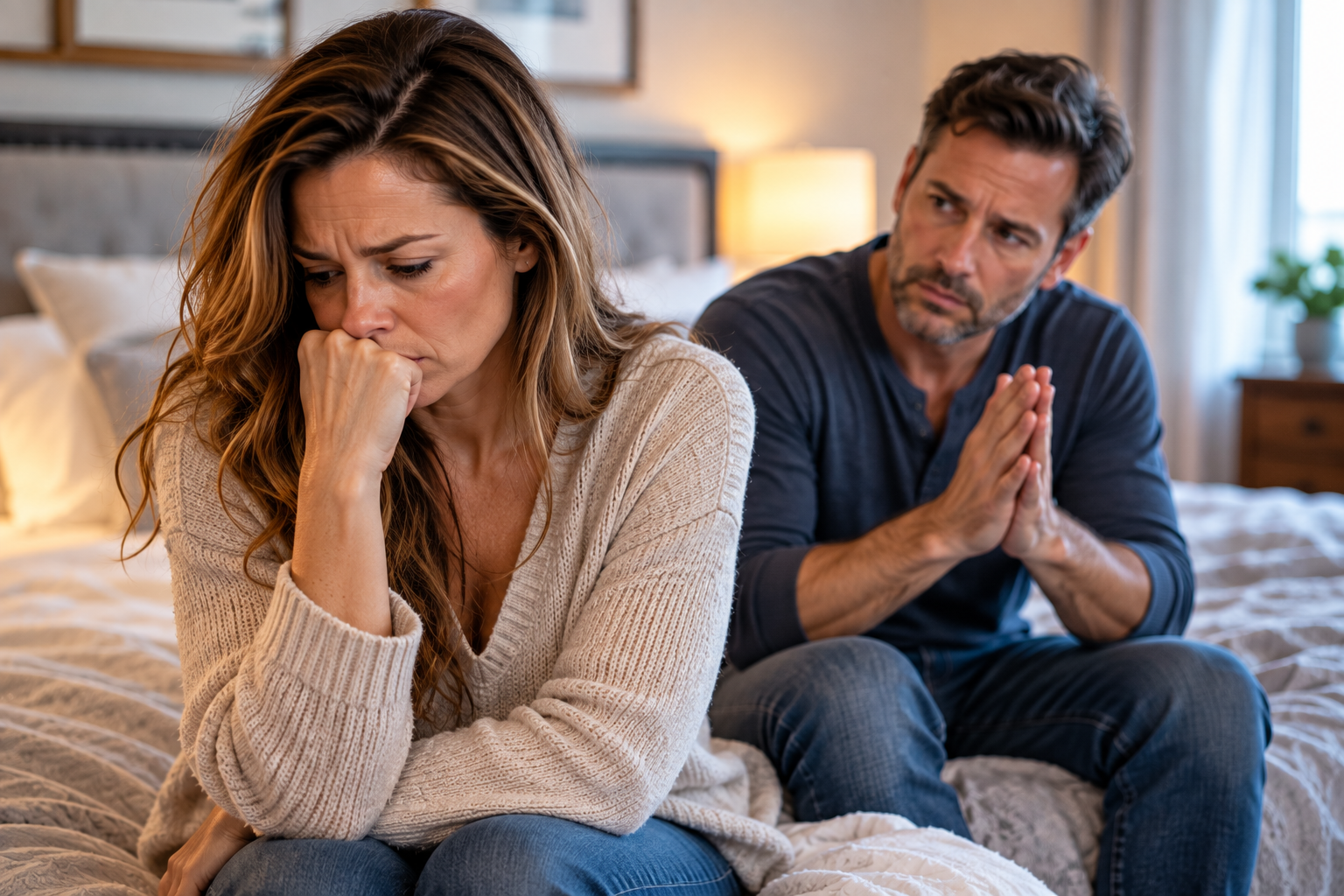
Are you searching for couples counseling in Plymouth, MA because you and your partner keep having the same arguments, feel emotionally disconnected, or no longer know how to communicate without conflict?
At Cape Cod Couples Counseling Clinic, we specialize in helping couples address difficult relationship problems through Relational Life Therapy (RLT)—a direct, practical approach to couples therapy and marriage counseling focused on changing unhealthy relationship patterns and creating stronger, more connected relationships. If you have no time for Couples therapy or couples counseling check out one our Relationship Workshops.
Whether you're dealing with communication problems, constant fighting, emotional distance, resentment, infidelity, intimacy problems, parenting disagreements, financial conflict, or uncertainty about the future of your marriage, couples counseling can help you understand what is happening beneath the conflict and learn a different way of relating to each other.
Our couples therapy practice is located in Plymouth, Massachusetts, serving couples from Plymouth, the South Shore, Cape Cod, and surrounding Massachusetts communities and Telehealth in Florida.
Relational Life Therapy for Couples Ready to Change Their Relationship
You Don't Need a Perfect Relationship
Healthy relationships aren't relationships without conflict.
They're relationships where partners know what to do when conflict happens.
The goal of couples therapy isn't to eliminate every disagreement.
It's learning how to disagree without destroying connection.
That means learning how to:
Speak honestly without attacking.
Listen without immediately becoming defensive.
Set healthy boundaries.
Recognize when you're triggered.
Take a timeout without abandoning your partner.
Take accountability for your behavior.
Repair after conflict.
Respond from your healthiest adult self.
Reconnect emotionally and physically.
These are relationship skills—and relationship skills can be learned.
Stop Having the Same Fight Over and Over
Most couples don't come to couples counseling because of one argument.
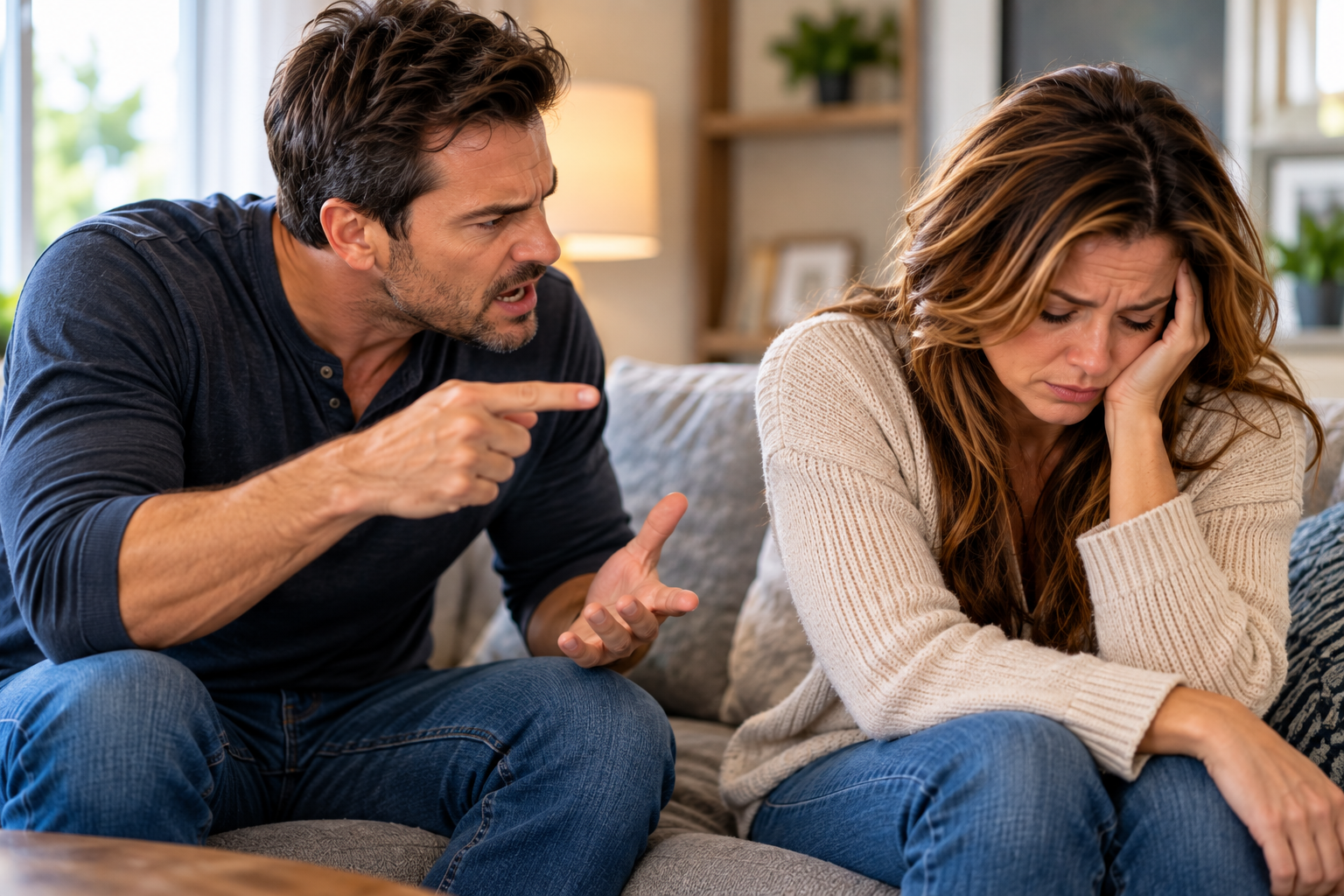
They come because they have been having different versions of the same argument for years.
One partner gets angry.
The other becomes defensive.
One pursues.
The other withdraws.
One criticizes.
The other shuts down.
Eventually, both partners feel unheard, misunderstood, frustrated, lonely, or resentful.
You may love each other deeply and still find yourselves trapped in a relationship pattern neither of you knows how to stop.
Relational Life Therapy helps couples identify that pattern and change it.
At Cape Cod Couples Counseling Clinic, our approach to couples therapy and marriage counseling goes beyond simply teaching better communication techniques. We work to uncover the deeper patterns driving your relationship problems and help both partners learn how to respond differently.
Couples seek marriage counseling and couples therapy for many different reasons.
You don't have to wait until your relationship is on the verge of separation or divorce.
Couples counseling may help when you're experiencing:
Communication problems
Constant fighting and arguing
Emotional disconnection
Feeling more like roommates than partners
Resentment
Defensiveness
Criticism
Anger and hostility
Withdrawal or stonewalling
Lack of affection
Intimacy or sexual problems
Infidelity or betrayal
Trust issues
Parenting disagreements
Financial conflict
ADHD-related relationship problems
Jealousy
Controlling behaviors
Difficulty setting boundaries
Problems with extended family
Major life transitions
Considering separation or divorce
Difficulty repairing after conflict
Sometimes couples know exactly what their relationship problems are.
Other times, they simply know:
"We're not happy anymore."
Couples therapy can help you understand how you got here—and what each partner can do differently moving forward.
“We help couples explore and transform the dynamics within relationships with themselves and others. We provide a safe space with good energy and we work as a team to explore, problem solve and heal events from the past so you can be happy in the present. What our clients appreciate is our unconventional approach to therapy, we do not sit there and nod and ask you how that makes you feel. We work together, have a laugh or two and we do not hide behind a therapists’ veil of secrecy. We are relational with our clients so they can learn to be relational in their lives.”
What Relationship Problems Are You Having?
-
![Couple arguing on a Cape Cod beach at sunset, representing communication problems and relationship conflict addressed through couples counseling and marriage therapy.]()
Poor Communication
This is the top complaint for all the couples I see. We don't communicate! There are two core reasons for lack of communication. #1 One partner has shutdown and fears conflict so they say nothing but their resentment bank is about to blow. #2 Both partners trigger each other and this activates your freeze, flight, fight response and you will never hear a word each other is saying. Click here to learn more
-
![Couple struggling with emotional pain and broken trust after infidelity, seeking couples counseling to heal from an affair and rebuild their relationship.]()
Infidelity
If there has been an infidelity in the relationship,that will destroy the trust in the relationship. Once trust is broken it is hard to be vulnerable again with your partner. One partner wants to know why while the other one for the most part either does not know why or fears telling them the truth. Click Here to learn More
-
![Couple experiencing emotional conflict as one partner criticizes and puts down the other, illustrating narcissistic relationship patterns and the need for couples counseling.]()
Dealing with Narcissism
Riding their high horse. Grandiosity and Narcissism is one partner needing to be higher than the other. They need to be right all of the time. My way or the highway thinking. Grandiosity typically happens when one partner feels as though they are being disempowered which impacts their already low self-esteem so they yell, argue and behave in a way that makes them feel empowered. Their attitude is "I had to take that from my parents when I was a kid and now I am an adult and have power and I am not going to let anyone speak to me like that or tell me I am wrong!" Click here to learn more
-
![Couple on a boat struggling with communication as one partner feels unheard and dismissed, illustrating relationship conflict and the need for couples counseling]()
Feeling Dismissed
When one partner fails to hear and see a partner they feel dismissed and not understood. A dismissive partner will yes you to death, gaslight you and may shut you down by yelling, walking away or retreating within themselves which is so frustrating for the other partner. Click here to learn more
-
![Controlling partner criticizing and monitoring their spouse, illustrating unhealthy relationship dynamics addressed through couples counseling in Plymouth, MA, South Shore and Cape Cod]()
Controlling Partner
A partner that is controlling typically struggles with a tremendous amount of anxiety. They are trying to control whatever they can so they do not feel out of control. However, this can leave their partner aggravated, resentful and leave them with a feeling that they are being parented and managed by their partner. "You treat me just like my mom or dad" I hear that quite a bit in sessions. Nobody wants another parent. They want a partner. Click here to learn more
-
![Couple sitting on a couch as one partner reaches for connection while the other pulls away and appears overwhelmed, illustrating emotional distance and feeling suffocated in a relationship.]()
Feeling Suffocated
The feeling of being suffocated is like being controlled but different because this typically involves one partner not feeling loved enough. This partner will always be talking about how much their partner doesn't love them regardless of how much they believe they are doing. They pursue their partners with high intensity and if their partner is walled off from childhood they will run further away because they are love avoidant.
-
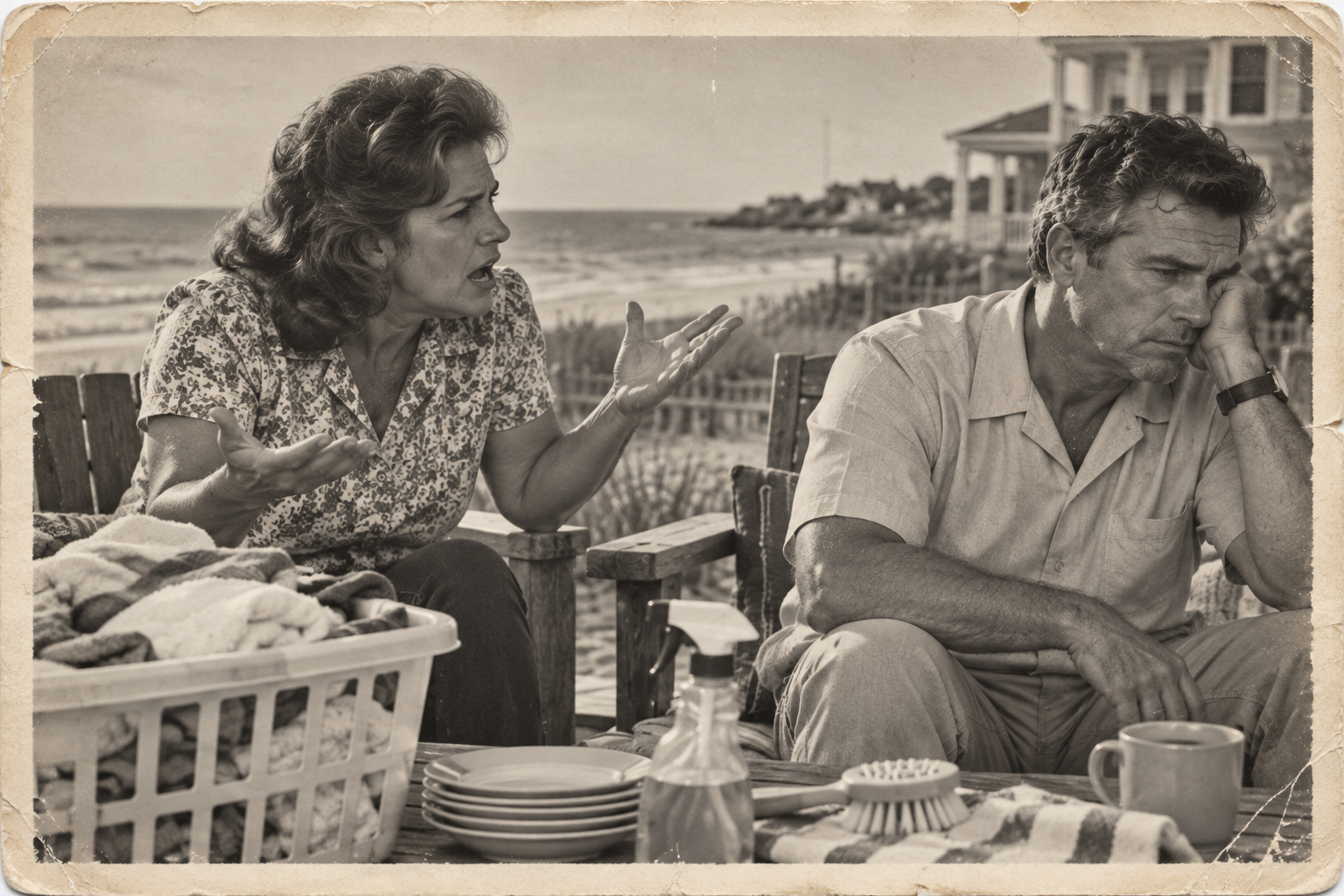
![Couple arguing about household chores and responsibilities, illustrating resentment, communication problems and relationship conflict addressed through couples counseling in Plymouth, MA and Cape Cod]()
Resentment
Resentment is a poison that slowly will eat away at your relationship until it ends. When your partner flies off the handle and has a huge reaction to something minor there is resentment in the relationship. I tell clients that it has noting to do with leaving the cap off the toothpaste. It is something in the past that they are holding onto that have them fired up and attacking you. Resentment is one of the biggest problems in relationships that is why I spend a lot of time in sessions working through them with clients and helping them heal so they can move forward.
-
![Emotionally disconnected couple living like roommates at home, illustrating relationship distance and the need for couples counseling in Plymouth, MA and Cape Cod]()
Living Like Roommates
Lot's of couples have this problem. It can be a result of several things, resentment about the past, one partner treating the other like a child, being walled off but one that I find apparent with a lot of couples is when they engage in Misery Stabilizers. These are the things each partner may do to avoid intimacy, connection and conversation with their partner. They kind of do their own thing. Some popular misery stabilizers are. Phones, social media, work, kids, hanging out with friends, Substance use and other addictions.
-
![A man and woman engaged in an intense argument, pointing fingers at each other, with angry facial expressions.]()
Stable Ambiguity
The only way you connect is through your fighting and arguing. When I see a couple that uses this dysfunction to connect I ask them "If you stopped fighting would you still have a relationship?". They fight instead of having conversations because they have not learned relational communication skills and most likely are modeling what they saw when they were younger. Parent #1 makes a demand from Parent #2. Parent #2 Feels controlled and managed and goes on the defensive and that is the dance. They are communicating but in a very dysfunctional way.
-
![Couple arguing about money and household finances, illustrating financial stress and relationship conflict addressed through couples counseling in Plymouth, MA and Cape Cod]()
Marriage and Money
Struggling with money issues in your marriage? Financial stress can strain any relationship, but with the right tools and guidance, you can rebuild trust, improve communication, and align on financial goals. I help couples navigate money challenges, reduce conflict, and create a stronger, more unified partnership. Let’s work together to restore harmony in your relationship. Click here to learn more







What Is Relational Life Therapy?
Relational Life Therapy (RLT) is a form of couples therapy developed by therapist and author Terry Real.
Rather than remaining neutral while a couple repeats the same dysfunctional relationship dynamic, RLT focuses on identifying the unhealthy behaviors and patterns that are damaging the relationship.
The goal isn't to determine who is the "bad guy."
The goal is to help both partners recognize:
What am I doing that is making this relationship harder—and what can I do differently?
Relational Life Therapy helps couples move away from blame and toward personal accountability, relational skills, healthy boundaries, repair, emotional intimacy, and connection.
Why Choose Relational Life Therapy for Couples Counseling?
Relational Life Therapy is active, direct, and focused on helping couples create meaningful behavioral change.
Instead of spending months simply describing the same relationship problems, couples are encouraged to identify the dysfunctional patterns maintaining those problems and begin practicing healthier alternatives.
At Cape Cod Couples Counseling Clinic, we believe insight matters.
But insight without behavioral change isn't enough.
Understanding why you behave a certain way is important.
Learning how to behave differently with the person you love is where relationships begin to change.
A Different Approach to Marriage Counseling
Many couples already know they need to "communicate better."
The problem is that knowing this doesn't necessarily stop the argument when both partners are triggered.
You may have promised each other:
"We're not going to fight like this anymore."
And then three days later, you're having the same fight.
Why?
Because your current relationship is often activating patterns and protective strategies that developed much earlier in life.
In Relational Life Therapy, we explore not only what you're fighting about, but also what happens inside each of you when the conflict begins.
Understanding these patterns can help you move from automatic reactions toward healthier adult responses.
From Your Adaptive Child to Your Wise Adult
One important part of our approach to couples therapy involves recognizing what happens when you're emotionally triggered.
You may suddenly become defensive.
You may attack.
You may shut down.
You may withdraw.
You may become controlling.
You may desperately pursue your partner for reassurance.
These reactions often developed as ways of protecting ourselves.
But strategies that once helped us cope can create serious relationship problems in adulthood.
Couples counseling helps you recognize when these old patterns are taking over and learn how to respond from what Relational Life Therapy describes as a healthier, more grounded adult position.
Instead of:
React → Defend → Attack → Withdraw
we work toward:
Pause → Understand → Take Accountability → Respond → Repair
Couples Counseling for Communication Problems
"We have communication problems" is one of the most common reasons couples seek therapy.
But communication problems are often symptoms of something deeper.
Underneath an argument about dishes, money, parenting, sex, or household responsibilities may be questions such as:
Do I matter to you?
Can I depend on you?
Do you respect me?
Do you understand me?
Are we actually a team?
Do you still want me?
Effective couples counseling helps partners understand both the surface argument and the deeper relational pattern underneath it.
Marriage Counseling for Emotional Disconnection
You don't have to be constantly fighting to have relationship problems.
Some couples rarely argue because they have stopped talking altogether.
You may sleep in the same bed and live in the same house but feel emotionally miles apart.
Your conversations may have become primarily about:
The kids.
Work.
Bills.
Schedules.
Household responsibilities.
What's for dinner.
Over time, partners can become efficient roommates instead of intimate partners.
Marriage counseling and couples therapy can help you begin addressing the resentment and emotional distance that developed between you and start rebuilding connection.
Couples Therapy After Infidelity or Betrayal
Infidelity can create an enormous rupture in a relationship.
The betrayed partner may struggle with anger, anxiety, intrusive thoughts, mistrust, and the need to understand what happened.
The partner who had the affair may experience shame, defensiveness, frustration, or uncertainty about how to repair the damage.
Our approach to couples therapy for infidelity focuses on accountability, understanding the relational context without excusing betrayal, rebuilding emotional safety, and determining whether trust and intimacy can be restored.
Healing after infidelity isn't about pretending the betrayal didn't happen.
It's about determining whether the relationship can become something healthier than what existed before.
Couples Counseling When You're Considering Divorce
Sometimes couples arrive at marriage counseling unsure whether they want to remain married.
One partner may desperately want to save the relationship while the other is uncertain whether there is anything left to save.
In these situations, the immediate goal isn't necessarily convincing anyone to stay.
The goal may be gaining clarity.
Couples counseling can help you slow the process down, understand what brought the relationship to this point, identify each partner's contribution to the current dynamic, and determine what meaningful change would actually require.
Couples Counseling in Plymouth, MA
Cape Cod Couples Counseling Clinic provides couples counseling and marriage counseling in Plymouth, Massachusetts for couples throughout the South Shore and Cape Cod region.
Our Plymouth location is convenient for couples seeking relationship counseling from communities including:
Plymouth • Kingston • Duxbury • Marshfield • Carver • Wareham • Bourne • Sandwich • Buzzards Bay • Middleborough • Cape Cod • South Shore MA
If you've been searching online for:
Couples counseling near me
Couples therapist Plymouth MA
Marriage counseling Plymouth MA
Marriage counselor near me
Relationship counseling Plymouth MA
Couples therapy Cape Cod
Marriage counseling Cape Cod
Couples counseling South Shore MA
Relational Life Therapy Massachusetts
RLT couples therapist
You've found a practice focused specifically on helping couples understand and change the patterns creating distress in their relationships.
Your Relationship Problems Don't Have to Become Your Relationship
If you and your partner are struggling, you don't have to keep repeating the same cycle.
You may currently feel angry.
Disconnected.
Resentful.
Lonely.
Confused.
Or exhausted from trying to fix the relationship yourselves.
But where your relationship is today does not automatically determine where it has to remain.
Couples counseling can provide a structured place to understand what happened, identify what needs to change, and learn the relational skills necessary to create something different.
Couples Counseling | Marriage Counseling | Couples Therapy
Cape Cod Couples Counseling Clinic
Plymouth, Massachusetts
Serving couples throughout Plymouth, Cape Cod, the South Shore, and Massachusetts.
Ready to work on your relationship?
Schedule a couples counseling consultation and take the first step toward changing the patterns keeping you and your partner stuck.
“These are the Five Reasons why you may be having relationship problems and it is not you or your partner’s fault”
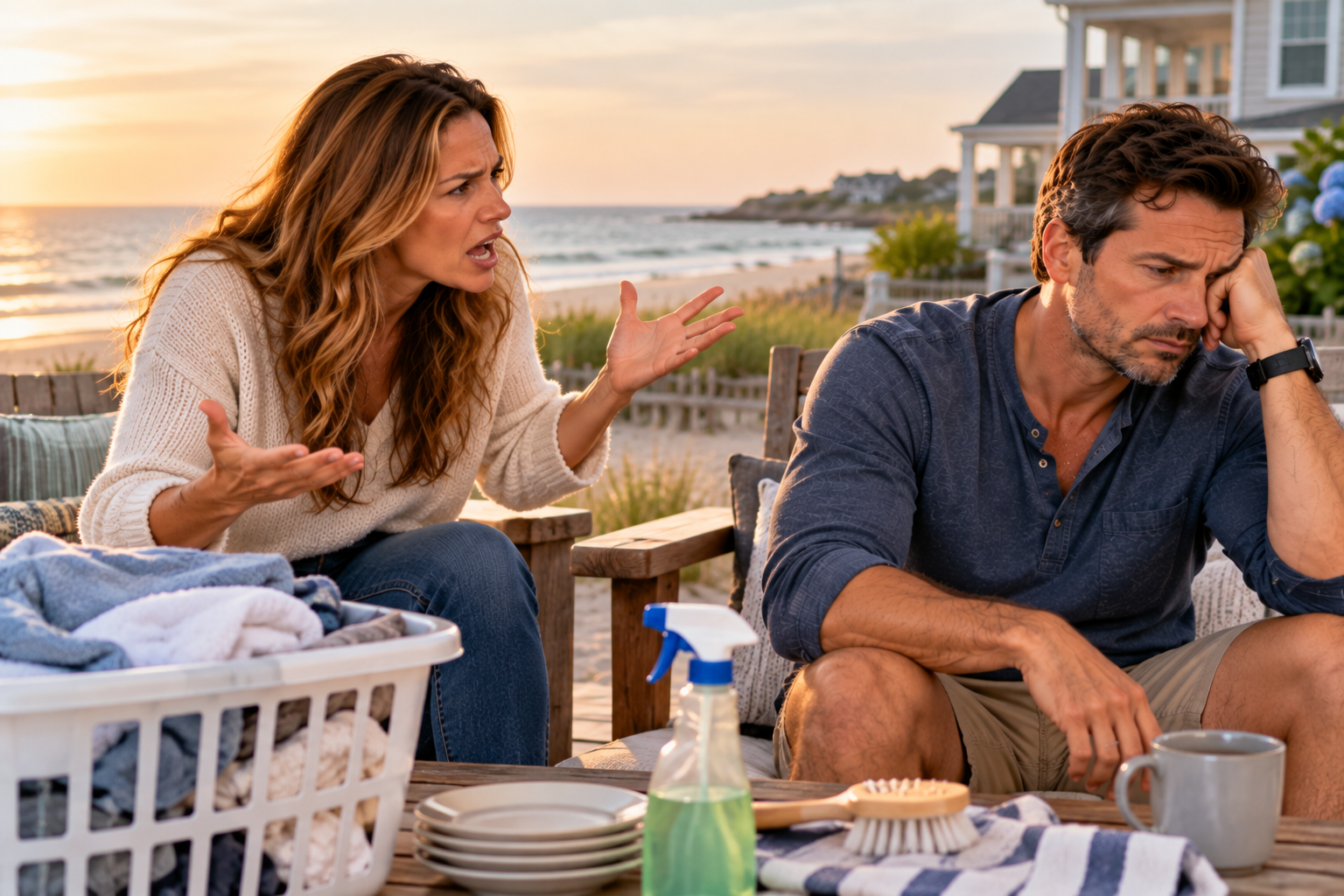
#1 When you are triggered you revert to a younger version of yourself and all their job in childhood was to survive. So congratulations on that. However, how we adapted to survive in our childhood are the same resources we use in our relationships today which is not relational and not your fault!
#2 You and your partner most likely learned your relationship skills from your parents. Take a moment and think about that! Most Couples Therapists teach skills to the parts of you that can’t use them. I teach skills to the part of you that will use them.
Again. Not your fault.

#3 You have been triggering each other’s inner adaptive child without even knowing it, which creates your dysfunctional dance. Again Not your fault because you had no idea!
The more you criticize them, the more they withdraw, the more they withdraw the more abandoned and angrier you become, the more angrier you become and pursue them the more resentful they become.

#4
A. You grew up in a Walled up family where nobody showed their emotions. This would leave you love avoidant and fearing intimacy and connection.
B. You had a parent that that was boundaryless and you felt suffocated by their love. This would leave you love avoidant and fearing connection and intimacy.
You run from your partner and love!
C. You grew up in a Walled of family where you were emotionally and or physically abandoned or neglected. You didn’t get the love you needed and had to rely on yourself. This would leave you love dependent and craving for the love you never had when you were a child. You pursue your partner with intensity!
Once again, Not your fault because your parents learned their relationship skills from their parents!

#5 You haven’t found the right Couples Counselor until now because most Couples Therapists listen and nod while you and your partner argue about the argument of the week! Not Helpful. To become relational and discover intimacy you need help with healing your inner wounded child, freeing your adaptive child and awaking your wise adult that can be relational with yourself and your partner. Because the truth is that most couples therapists aren't trained or are not comfortable with taking this approach to therapy until now.
That is certainly not your fault!
“Because You Deserve A Happily Ever After”
“Don’t You?”
What does not being relational mean in your relationship with yourself and others?
What being stuck in a non-relational relationship may look like.
”A lack of relational connection in a relationship can mean that there is a lack of depth, communication, or emotional intimacy which can lead to anxiety, depression and a ton of resentment”
Lack of emotional connection
A relationship that lacks emotional intimacy may appear okay on the surface, but there is no real depth. Signs include not feeling understood, not talking about important things, and not being very touchy feely.
Lack of communication
You might feel like your partner doesn't listen or understand you. You might also avoid communication or block your partner's attempts to connect
One-sided relationship
A relationship where one partner leads almost every aspect, such as what activities you do together and when. This also can include one sided parenting of children. This can lead to feelings of resentment and exhaustion.
Unbalanced relationship
You might feel drained, stressed, or dissatisfied after spending time with your partner. You might also feel like your partner makes little effort to help meet your emotional needs
Unhealthy relationship
A relationship where one party uses strategies to achieve their own goals and needs, often at the expense of the other party. This can include power imbalances, manipulation, and putting your own feelings on the backburner.
Transactional relationship
A relationship that is more self-serving and short-term, with the goal of getting something with minimal effort.
Lack of trust
A relationship where there is no emotional connection, communication breakdown, or you don't trust your partner.
Being relational with others means that connections are reciprocal, rewarding, and rooted. They are about trust, communication and being heard and seen. Feeling safe to be vulnerable with your loved one and that feeling that is you and them against the world and you have each other’s back no matter what.
What being non-relational with yourself may look like.
”Not being relational with yourself can mean not having a healthy relationship with yourself, which can negatively impact your mental health and relationships with others.”
Low self-esteem
Being critical of yourself can lead to low self-esteem, which can cause you to avoid partners, loved ones and friends, or to have poor boundaries with others.
Unhealthy habits
You might develop habits that take you away from yourself, such as viewing the world through limiting beliefs, addictions and engage in misery stabilizing behaviors to keep people at a distance.
Losing yourself in relationships
Being a people pleaser. You might merge your identity with your partner, or go out of your way to please them.
Not expressing yourself
You might not share your opinions, wants, or needs, or establish boundaries
Weighed down by the past
A past filled with trauma and bad experiences if not therapeutically processed can feed depression and anxiety which prevents you from discovering who you are supposed to become because there is only one story you have been telling yourself.
Being relational with yourself involves self-awareness, self-acceptance, and self-care. Through self-awareness, you learn to understand yourself better, understand other people better, and in turn, your relationships improve along with your mental health. Most importantly provide you with an opportunity to get to know the real you,
who is happy, fulfilled and at peace.